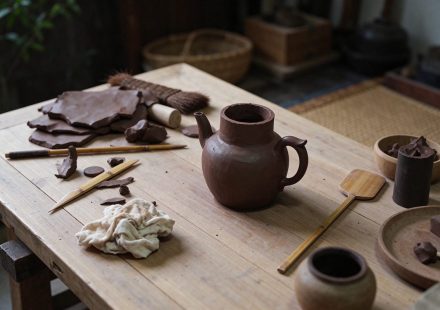
Family Workshops and the Second Generation
How a workshop is organised, why its pots look like siblings, and how succession changes what a family name is worth.
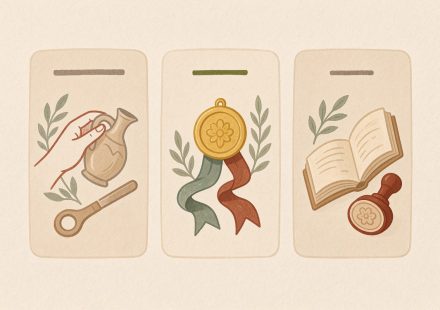
When a Big Name Is Printed, Not Made
Certificates, boxes and listing text versus the seal in the clay: four ways a name is attached and five questions to ask before paying.
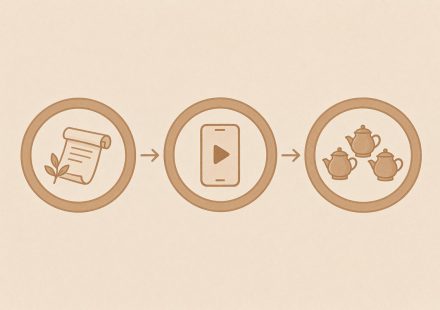
Signature Styles: Recognising a Maker by Form
Style as a set of repeatable technical decisions — shoulder, spout height, foot, lid, interior — and why it is not proof of authorship.
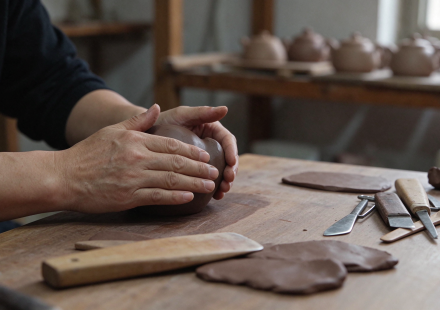
Apprentice to Master: How a Yixing Potter Trains
Years of preparation, repetition and fitting, and how trained hands show up in walls, joints, lids and finishing.
Studio Pots vs Signed Pots: What the Difference Costs
Three tiers of authorship behind one seal, the question that separates them, and how to price each.
Modern Masters and Why Prices Cluster Around Them
Two markets inside one craft: work priced by labour, and work priced by reputation. Where the two touch is where overpaying happens.
The Masters of the Republic Era
The generation that carried the craft into the modern market: what each is known for, and what a buyer can actually learn from them.
Famous Names of the Ming and Qing
Gongchun, Shi Dabin, Chen Mingyuan, Mansheng, Daheng: the canon that modern shapes still refer to — and why attributions stay unverified.
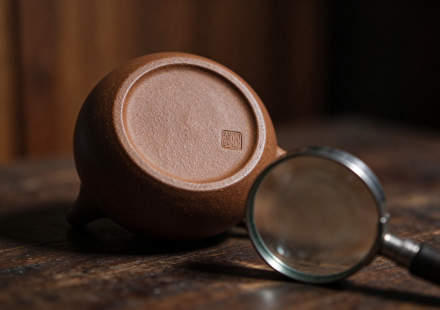
Reading a Maker’s Seal: Four Characters, One Person
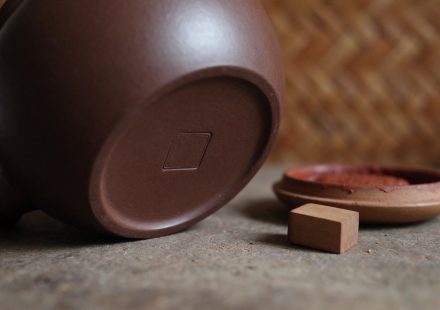
What a proper base impression looks like, the three other marks on a pot, and why a seal is the weakest evidence you can gather.
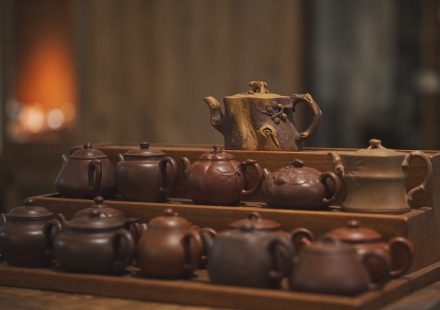
How Yixing Potters Are Ranked: The Title System
The craft-title ladder from entry grade to research level, why price clusters at the top, and what a rank cannot tell you.