What a Zisha Pot Cannot Fix
A pot improves heat and pour. It does not improve leaf, water or technique.
What “Vintage” Means on a Zisha Listing
Vintage is a description, not a date. Here is what the word usually hides.
Short Sessions vs Long Sessions: Which Pot Fits Your Table
A pot for twenty minutes of drinking is not the same pot as one for a two-hour table.
Water First: What Water Does to a Zisha Pot
A pot can round off water, but it cannot repair it. Water quality comes first.
Heat Retention: Thick Walls, Thin Walls and Tea
Wall thickness decides how fast a pot loses heat, and that decides which teas it flatters.
Two Pots, Not One: Why Serious Drinkers Keep a Pair
Most experienced drinkers keep two pots rather than one, because roasted and aged teas want different clay and heat behaviour.
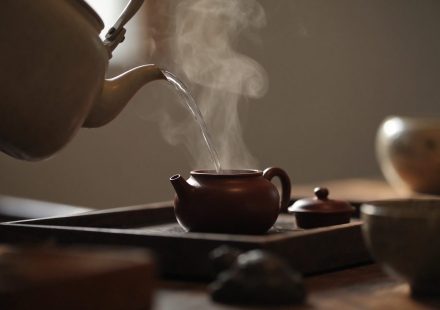
Export History: How Zisha Reached Europe and What Survives
Tea routes, European metal mounts and country-house provenance: an international history longer than most assume.
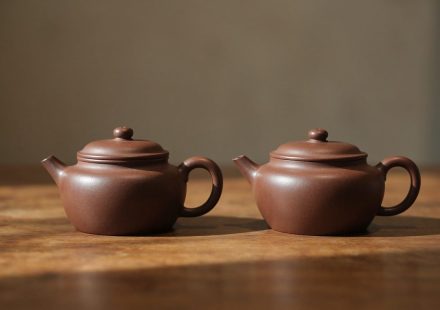
The Modern Revival: Titles, Studios and a Noisier Market
Private studios, craft titles and the return of thin walls — alongside a market full of indistinguishable pots.
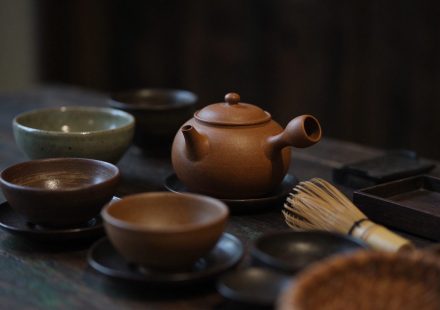
Zisha in Japan: Sencha, Collectors and the Paper Trail
Sencha practice, named objects and box inscriptions — the best-documented route for export pots.
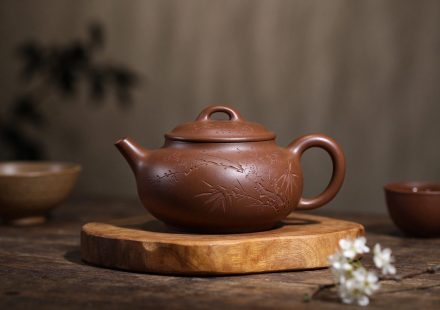
Literati Taste: Plainness, Inscription and the Scholar’s Pot
Plainness, restraint and inscription: the scholarly tradition behind the taste most modern potters invoke.