
Export History: How Zisha Reached Europe and What Survives
Tea routes, European metal mounts and country-house provenance: an international history longer than most assume.
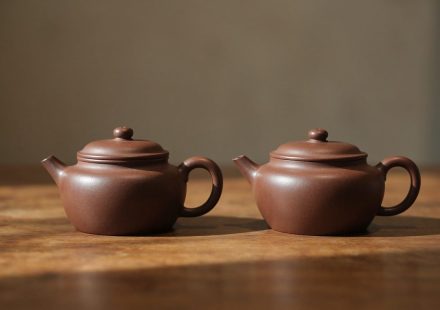
The Modern Revival: Titles, Studios and a Noisier Market
Private studios, craft titles and the return of thin walls — alongside a market full of indistinguishable pots.
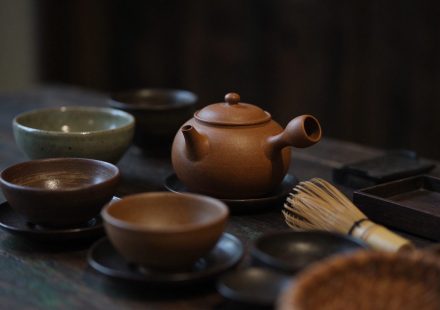
Zisha in Japan: Sencha, Collectors and the Paper Trail
Sencha practice, named objects and box inscriptions — the best-documented route for export pots.
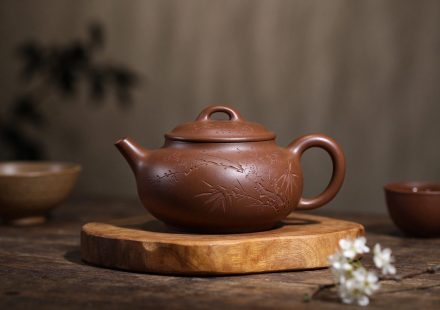
Literati Taste: Plainness, Inscription and the Scholar’s Pot
Plainness, restraint and inscription: the scholarly tradition behind the taste most modern potters invoke.
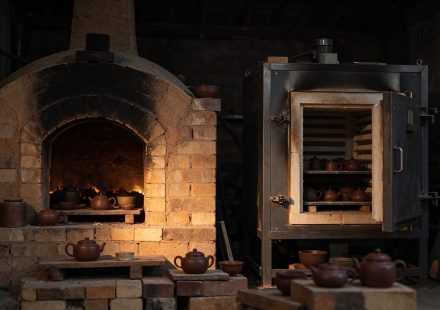
Firing: Wood Kilns, Electric Kilns and What Heat Decides
Fire decides colour, density and survival. Oxidation, reduction, and why thin walls are expensive to fire.
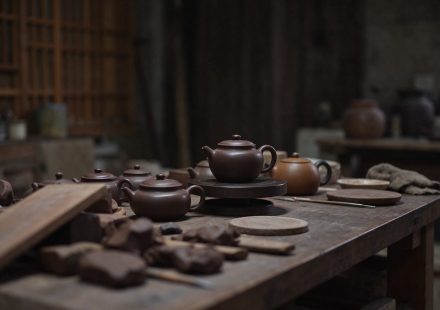
The Factory Period: Collective Production and Its Pots
How collective production was organised, why the clay is often good, and how to read factory marks.
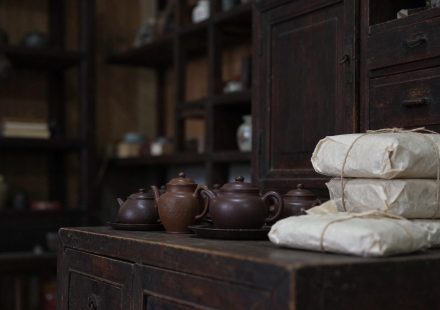
The Republican Era: Vintage Pots Between Craft and Industry
The most attainable genuine old material, and the period where craft and industry start to overlap.
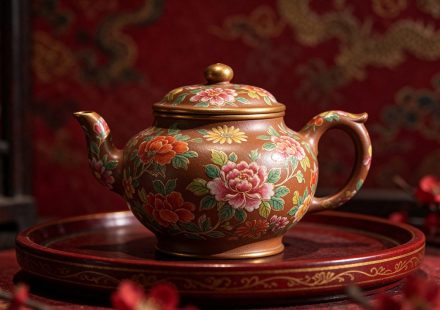
The Qing Period: Thin Walls and the Refined Standard
Thinner walls, smaller pots, a vast design vocabulary and the signing conventions we still follow.
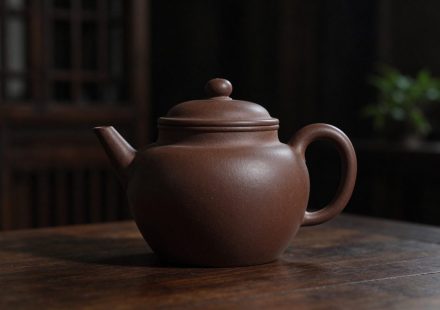
The Ming Period: When the Object Was Invented
Leaf tea, built bodies, hand-fitted lids: the sixteenth century that produced both the craft and its counterfeits.
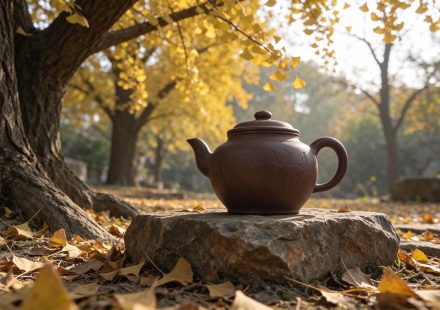
Where the Clay Comes From: Yixing and Its Material
Not one clay but a family, and why the material suited steeping before anyone thought of teapots.