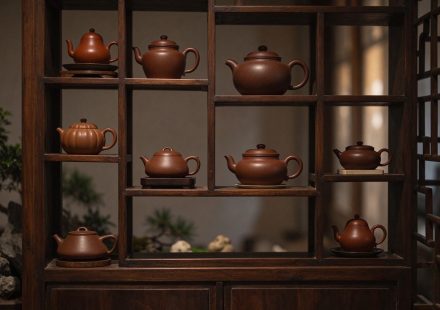
Zisha as an Investment: What Appreciates and What Does Not
What appreciates, what does not, and the costs that eat returns. The realistic expectation is no appreciation at all.
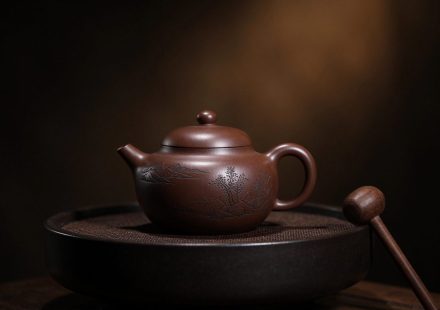
Buying at Auction: Premiums, Condition Reports and Bid Discipline
Realised prices are the best evidence of value; the process carries costs and risks retail does not. How to bid without regret.
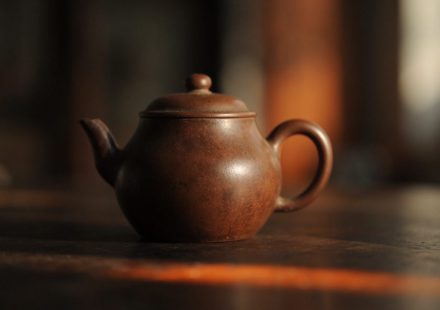
Old Pots: The Claims, the Market and the Arithmetic
Genuine antiques, real vintage and old-looking new pots are three different markets. The arithmetic that settles most claims.
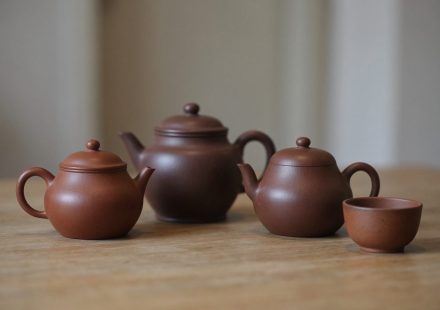
Capacity and Price: Why Small Pots Cost More per Millilitre
Price per millilitre peaks at both ends of the size range. How capacity, tea style and resale interact.
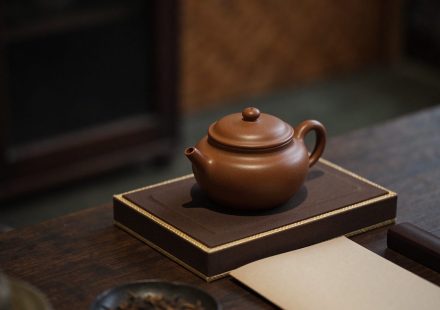
The Title Premium: What a Craft Title Certifies
A craft title certifies a maker, not every pot bearing the name. What documentation should look like and what the premium buys.
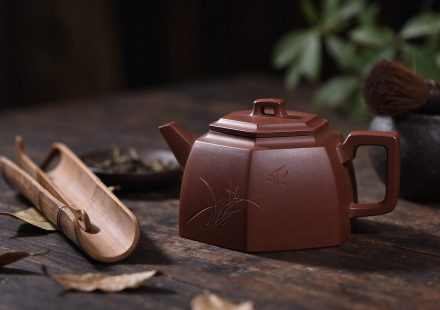
Shape Difficulty: Why Joints Cost More Than Ornament
Difficulty is about joints and thin sections, not decoration. Why hard shapes cost more and why cheap hard shapes are moulded.
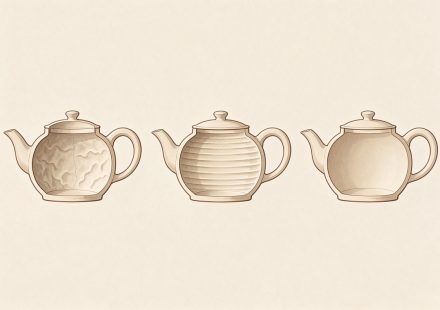
Handmade vs Cast: Where the Price Gap Comes From
A three- to tenfold gap between pots that look alike. Where the money goes and when the premium is worth paying.
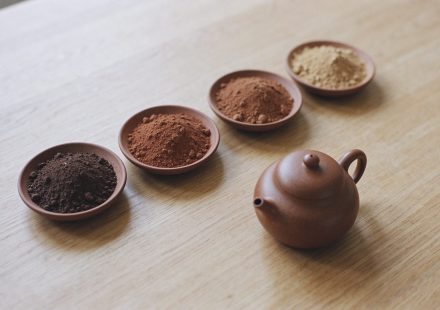
Clay Premium: When Rare Clay Is Worth Paying For
Some clay costs more per kilo for real reasons and some for invented ones. How to test a rarity claim without a laboratory.
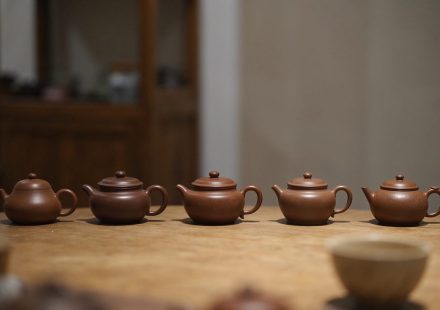
The Four Price Tiers of Zisha
Souvenir, everyday, good craft and name-and-rarity: what you get at each tier and where the value actually sits.
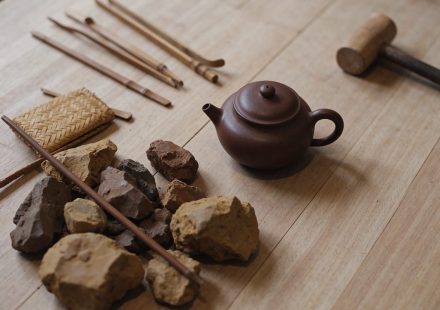
What a Price Is Made Of: Six Components
Clay, method, shape difficulty, maker, size and channel — the six components behind any asking price, and how to decompose one.