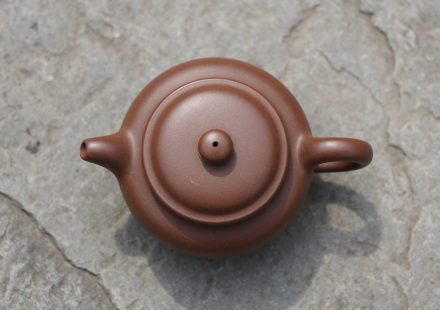
Fanggu: The Reference Round Pot
The plain wide round form potters use as a test. Circularity, off-centre lids, foot finishing, and why it suits almost everyone.
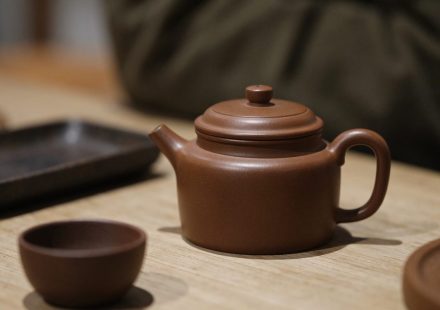
Dezhong, the Bell: A Formal Silhouette
An upright bell-shaped body with a short neck and narrow spout: proportion, heat retention, and the tall-form balance problem.
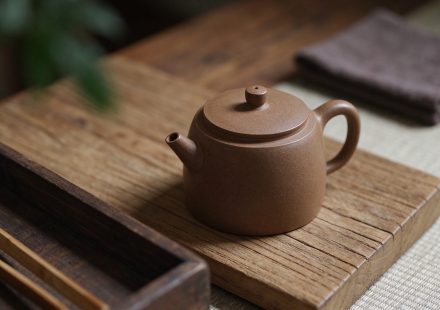
Jinglan, the Well Railing: A Pot Built from Straight Lines
A cylinder hides nothing. Wall plumbness, rim level, lid seating, spout joint, and how straight forms expose craftsmanship.
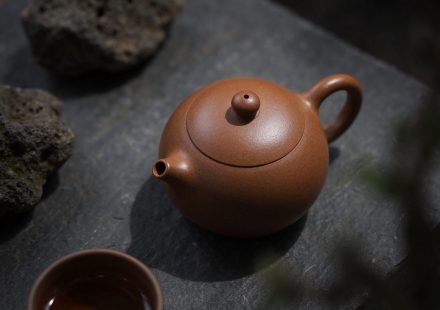
Xishi: Roundness and the Spout
The soft compact classic, and the one weakness its short low spout creates. Proportions, clay pairing and what to test in the pour.
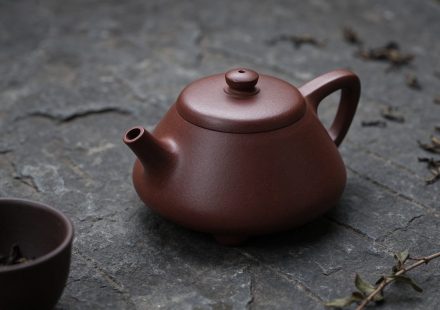
Shipiao, the Stone Dipper: Balancing Three Triangles
The most discussed round form: shoulder-to-foot taper, lid line, spout height, and the failures that turn it into a bucket.
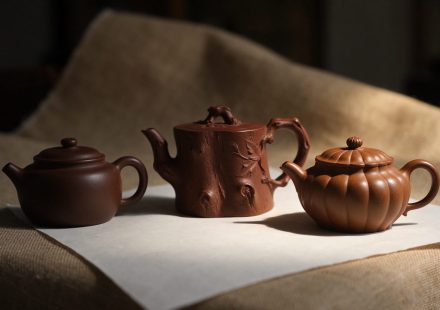
The Three Families of Form: Plain, Floral, Ribbed
Plain geometry, naturalistic modelling and regular ribs are three different disciplines. How to tell them apart and what each demands.
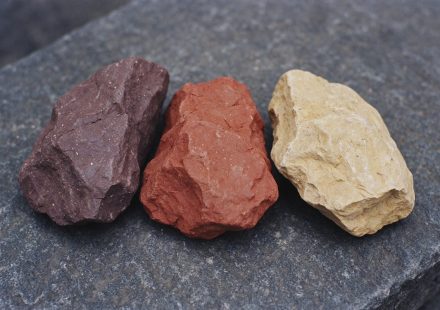
Glossary: Terms You Will Meet on This Site
Clay families, shapes, forming methods, seals, brewing and assessment vocabulary, with notes on the terms sellers invent.
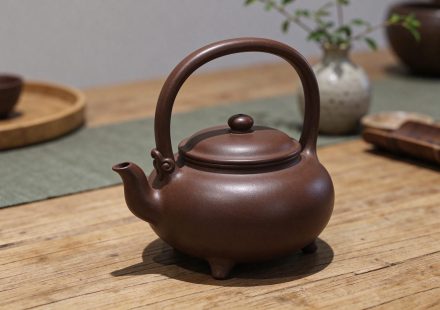
Five Numbers to Know Before You Buy
Firing range, porosity, working capacity, leaf ratio, wall thickness — five figures that answer most beginner questions.
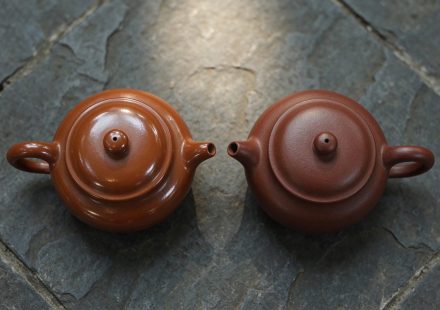
Real or Fake: What to Question First
Price floor, interior tool marks, lid fit, pour, weight, sound, patina. The evidence you can gather in your own hands.
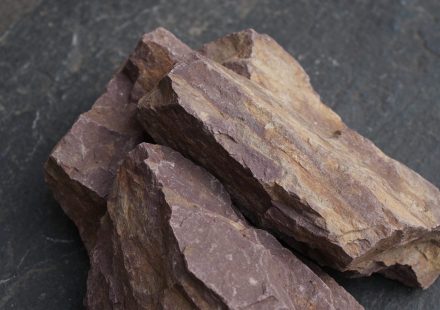
Common Myths About Yixing Teapots, Checked
Eight claims you meet everywhere — seasoning rituals, magic clay, seals, lead — checked against what can actually be verified.