Your First Zisha Pot: What to Buy and What to Skip
Buy the boring one
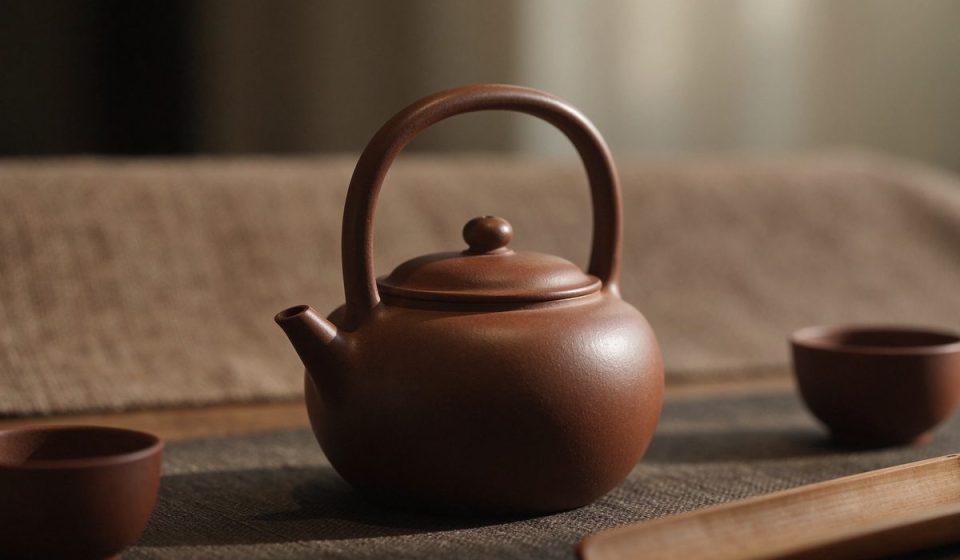
The single most useful piece of advice for a first zisha pot is to buy something plain. No carving, no animal shapes, no famous name, no “old mine clay” story. A plain round pot in a common clay, from a workshop that will answer questions, is where nearly everyone should start — and where many people, distracted by ornament, do not.
What to buy
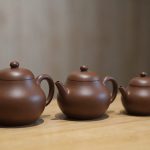
- A plain round form — Fanggu, Shuiping, or a simple drum. These pour reliably, clean easily and show quality honestly.
- 110–150 ml — the everyday range for two to four people. Small enough for control, large enough not to be fussy.
- Zijin clay — the forgiving, all-purpose family. Save zhuni and rare seams for later, when you know what you want.
- Handmade or half-handmade, disclosed — either is fine; the disclosure is the point.
- One tea in mind — decide before you shop whether this pot is for oolong, black tea or pu-erh.
What to skip
- Floral and novelty shapes. Beautiful, often poor at pouring, and hard to judge as a beginner.
- Anything with a big name on it. A first pot is not the place to learn the studio-tier distinction with your own money.
- Very large pots. Above 250 ml, zisha stops behaving like a gongfu vessel.
- Certificate-first listings. Paper tells you about the seller, not the pot.
- Pots sold as antiques. Statistically impossible at retail prices.
Three checks before paying
Pour. Ask for a video with water: fill, tip, stop. A clean stream that ends without a dribble is the single most important quality sign.
Lid. It should lift with a fingertip, sit without rocking, and not fall out when the pot is tipped. Ask them to demonstrate all three.
Inside. Ask for a photograph of the interior with a light in it. Tool marks and slight unevenness mean forming; a glassy, perfectly smooth interior means casting — acceptable at a casting price, not at a handmade one.
How much to spend
Spend enough to get a pot that pours well, and no more. A first pot is a learning instrument; the money you save by not buying a “collector” piece buys tea, which teaches you more. If your first pot has a good pour, a steady lid and a comfortable handle, it has done its job regardless of what it cost.
What not to worry about
Do not worry about seasoning rituals, about which seam the clay came from, about whether the pot will “improve” your tea, or about the seal. None of these matter compared with fit, pour and a material you can verify. The first pot’s purpose is to teach you what those three things feel like — everything else can wait.