Zisha in Japan: Sencha, Collectors and the Paper Trail
How zisha reached Japan
Tea culture has moved between China and Japan for centuries, and zisha arrived with it: through trade, through the Buddhist monastic networks, through collectors, and through the ceramic trade centred on Nagasaki during the Edo period. By the eighteenth and nineteenth centuries, Yixing pots were established objects in Japanese tea practice and in the cabinets of collectors.
Why Japanese taste took to it
- Sencha practice. Steeped leaf tea, popularised in Japan from the eighteenth century onward, needed a small pot. Zisha was the natural choice.
- Material preference. Japanese tea aesthetics ran parallel to Chinese literati taste: plain, unglazed, restrained, close to the hand.
- Collecting culture. Documented appreciation, box inscriptions, and named objects were already established habits in Japanese collecting.
Three things Japan did to zisha that China did not
- First-hand documentation. Japanese collectors recorded pots in writing, with dates, dimensions, provenance and often a name for the object — creating a paper record that is frequently better than the Chinese record for export wares.
- Named objects. Pots with individual names, like paintings, catalogued and discussed.
- Local imitations and adaptations. Japanese potters made their own versions, and the exchange influenced Japanese ceramics as much as Japanese taste influenced what was exported.
What this means for a buyer of export pots
A pot that came to Japan in the nineteenth century often has better provenance than one that stayed home: an original box, an inscription, a collection record. That documentation is worth paying for, because it converts an anonymous object into a dated one.
Look for: wooden boxes with inscribed lids, cloth wrappers with dates, dealer labels, and catalogue entries. A documented export pot is a genuine antique with a verifiable history.
Modern exchange
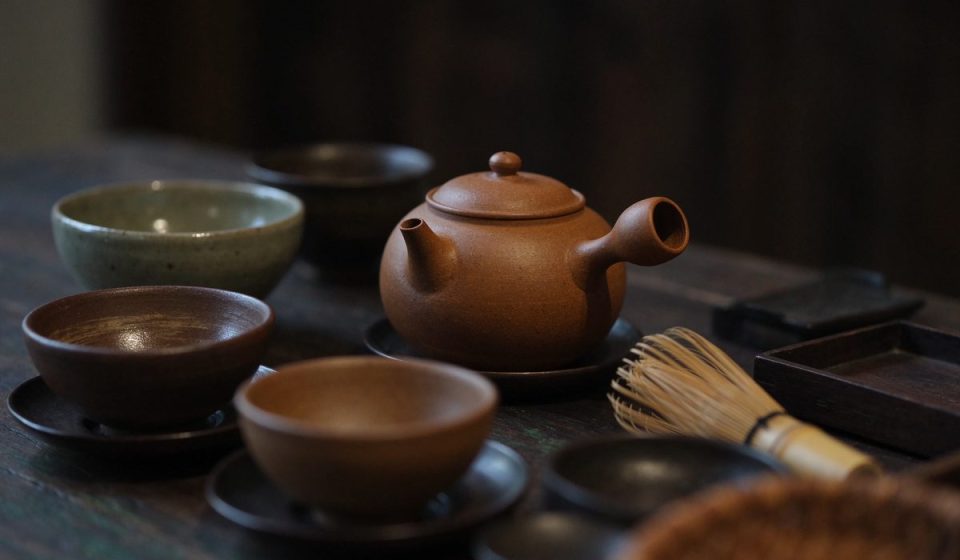
Japanese collectors and tea practitioners remain a significant part of the international market, and modern makers sell directly into it. Some workshops produce forms that suit Japanese preferences — plainer, sometimes smaller, occasionally with handles — and some makers have built reputations primarily abroad.
The cross-cultural caution
“Made for the Japanese market” is a claim about form and decoration, not about quality. Export production spanned the full range from excellent to commercial, exactly as domestic production did. Evaluate the pot, not the destination.
Why the Japanese connection is interesting to any collector
It demonstrates that zisha was never merely a local craft: it travelled, was collected, was written about, and was imitated. That history is the reason a pot in a European or American collection has a plausible past, and the reason documentation from any country can be worth more than a certificate from the shop that sold it.