Identify Fakes
How a fake is actually produced
Understanding production explains pricing, and it removes most of the mystery. A pot that sells for the equivalent of a few dollars at a tourist site was not made by a craftsperson; it was made by a process. Three processes dominate.
1. Slip casting at volume
Liquid clay slurry is poured into multi-part moulds, left to build a wall, drained, and demoulded. Bodies are then trimmed, spouts and handles attached by slip, sealed and fired in a tunnel or a large electric kiln. Output per worker per day is measured in dozens.
The result: uniform bodies, smooth interiors, constant wall thickness, dark or brightly coloured glazes, and often a transfer-printed seal. Cost per unit is low enough that retail prices of a few dollars still leave margin.
2. Press moulding and assembly
Clay is pressed into a two-part die, then assembled. Slightly better than casting in feel, still mechanical. Often paired with sprayed or dipped surface treatment to imitate a clay colour.
3. Decorated real bodies
A more interesting category: a genuinely moulded or low-grade body, decorated with carving, appliqué, painting or metallic paint to look expensive. This is where most “handmade-looking” mid-market fakes sit. The body is real clay; the decoration is the lie, and it often compromises the pot’s function by adding weight, blocking the spout, or making the lid seat untrue.
What gives them away
- Uniformity by the shelf. Twelve identical pots in a row.
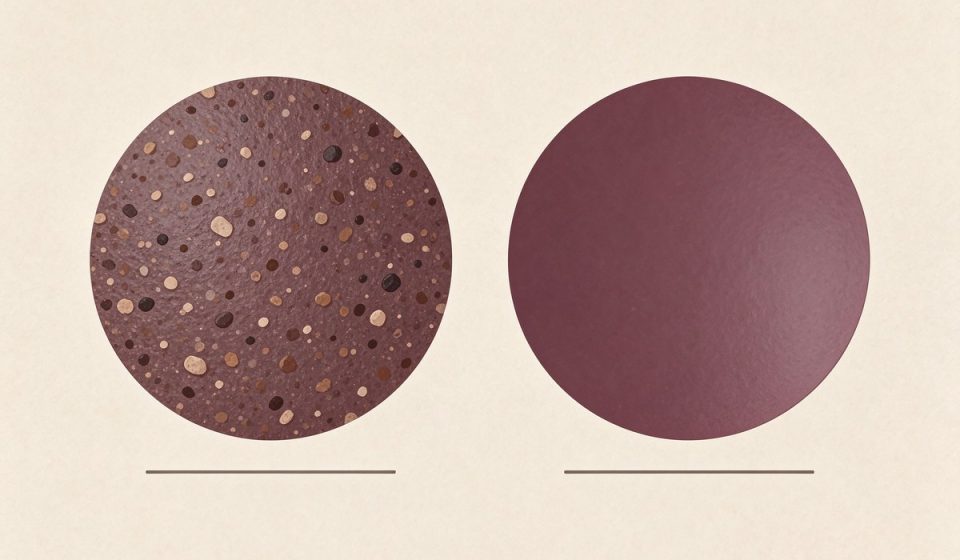
- Glazed interiors or interiors the colour of the outside, glassy and featureless.
- Printed seals at uniform shallow depth, sometimes in a colour that is not clay.
- Weight either very light (thin cast wall) or very heavy (solid decorative additions).
- Pour that hesitates, splays or dribbles — the moulded spout bore is constant and rough.
- Price. The most reliable single indicator at the low end.
The tourist-shop economics
Rent at a famous site is high, so margins come from volume and from story. Prices are set to be impulse-friendly, and the sales script supplies the value the object lacks: the master, the clay, the age, the certificate. None of it is checkable in the moment, which is the point.
Why this matters beyond the money
A cast pot with a glazed interior cannot be used the way zisha is meant to be used: it does not season, it does not hold heat the same way, and the glaze can craze. Many people’s first “zisha” experience is one of these pots, and the resulting disappointment is blamed on the category rather than on the object.
A fair word for the honest cheap pot
There are decent inexpensive pots: moulded or half-handmade, unglazed, plain, with an honest pour. They are not fakes; they are budget pots. The distinction matters. Buy them knowingly, at budget prices, and they will serve you well as a first step.