Old Pots: The Claims, the Market and the Arithmetic
The claims, and why they are usually wrong
“Old pot” claims are the most common value inflation in the market, and they rest on a premise that does not survive arithmetic. Genuine Ming and Qing zisha pots are scarce, documented, and sold through auction houses and established dealers at prices that reflect a global collector base. A pot offered for the price of a nice dinner and described as “Qing dynasty” is not a bargain; it is a story.
What old actually means in the market
Three distinct things get called old:
- Genuine antique. Pre-1949, usually with provenance, often with repairs, priced at auction level.
- Republic-period or mid-century. 1912–1980s. Real vintage objects with a real collector market, priced well above new pots but far below antiques.
- “Old-looking”. New pots with staining, wax, artificial wear and a story.
The confusion between the second and third categories is where most buyers lose money.
What drives genuine vintage prices
- Provenance. A documented chain of ownership, auction records, catalogue entries, family history.
- Maker. Recognised names from the Republic and early PRC periods.
- Condition. Repairs reduce value but do not destroy it; undisclosed repairs destroy trust.
- Rarity of form. Unusual shapes, well-preserved sets, rare clays.
The premium is for certainty
Two identical-looking mid-century pots can differ fivefold in price because one has papers and the other has a rumour. You are paying for the chain of evidence. Without it, the object is priced as a used pot, whatever its actual age.
How to evaluate an old-pot offer
- Ask for the provenance chain in writing, and for the auction or dealer records.
- Compare the asking price with realised prices for comparable documented objects.
- Inspect the physical evidence: firing marks, hand-worked interiors, wear in the right places, honest repairs.
- Have it examined by someone with no financial interest in the sale.
- Ask the seller what would change their mind. A confident seller with evidence answers easily.
The investment question
Old pots can appreciate, but the market is thin, illiquid and knowledge-intensive. Buying antiques as an investment without expertise is a way to convert money into objects. Buy antiques because you want to own and use them, and treat any appreciation as a bonus.
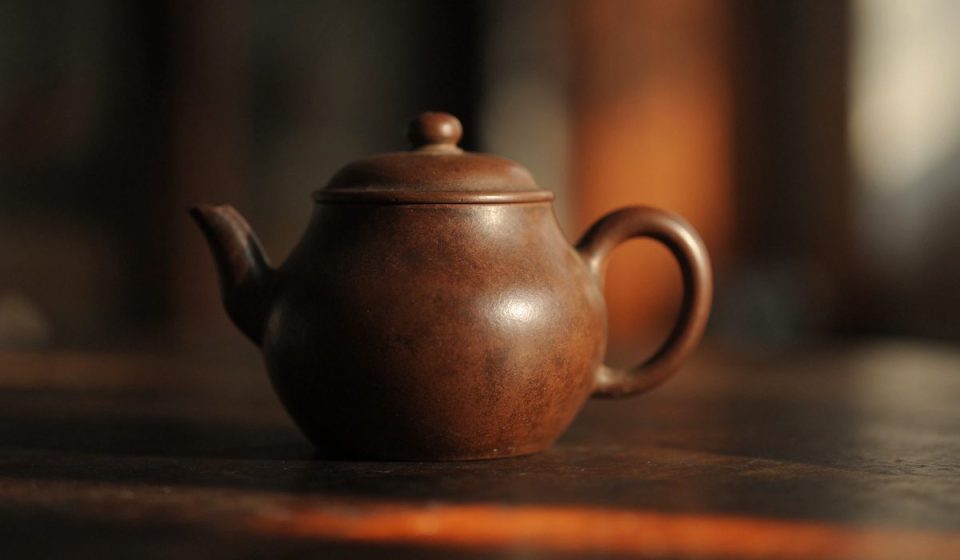
What to do if you want the look of age
Buy a good modern pot and use it for ten years. You will have an honest patina, a pot you know, and money left over. The only thing you will not have is a certificate saying it is old — which is precisely the thing that costs the money.